Why-Print-Shops-Need-to-Go-Online

6 Reasons Why Print Shops Need to Go Online for Smarter Growth

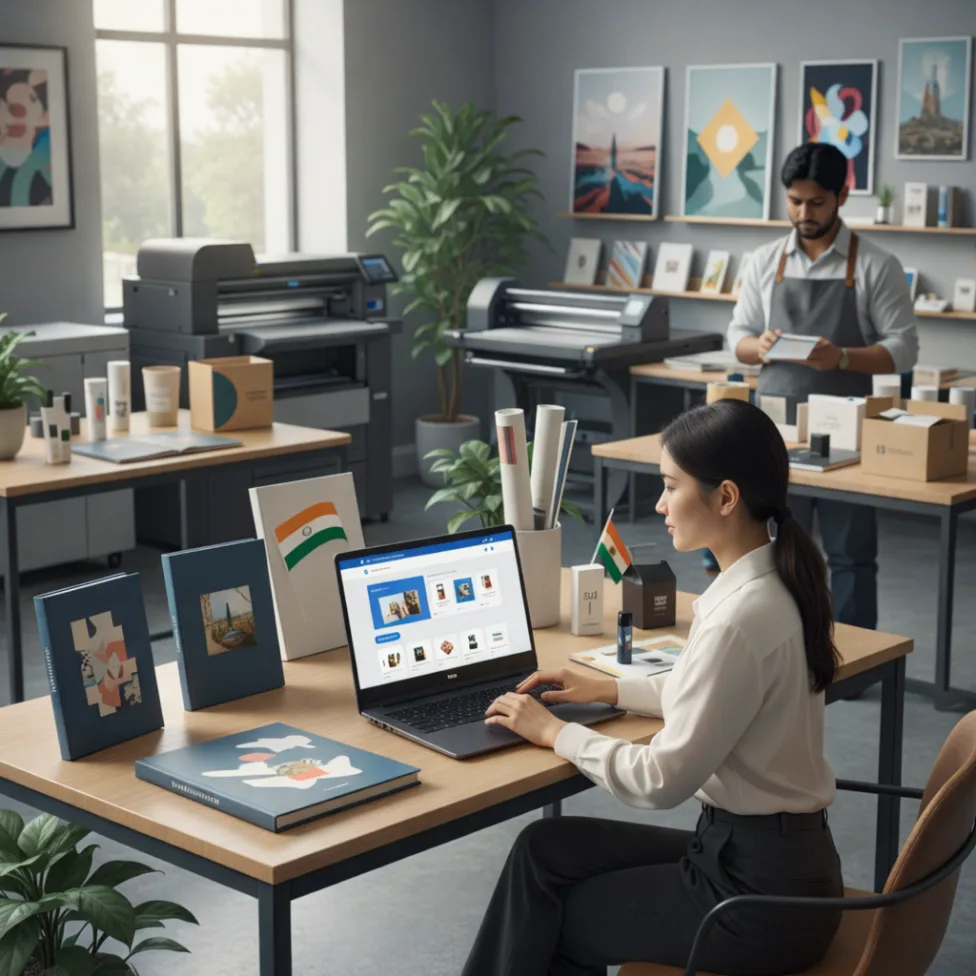
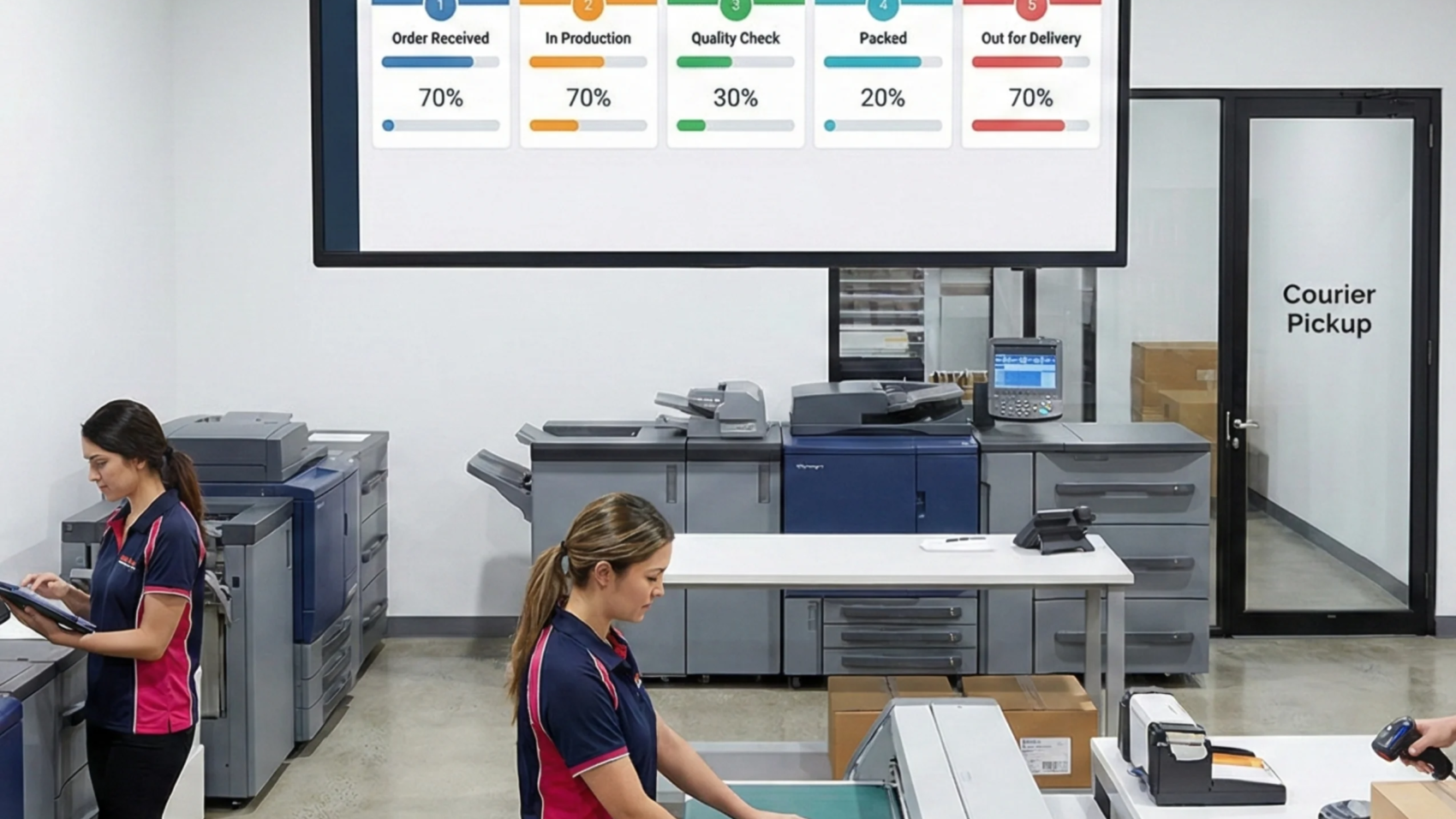
Why print shops need to go online is simple – the print industry is changing faster than ever. Still running your print shop the traditional way? It’s time to take your business online, because this shift can completely transform how you attract customers and manage orders.

The print industry is no longer limited to walk-in customers and manual order handling. Today’s customers expect speed, personalization, and convenience. Going online helps you meet those expectations while unlocking new revenue streams and operational efficiency.

Platforms such as Smart Selection highlight how digital-first systems help businesses streamline operations, improve customer experience, and scale efficiently.

Going online is no longer just an option – it’s a necessity. This is exactly why print shops need to go online to stay competitive in today’s fast-paced printing market.

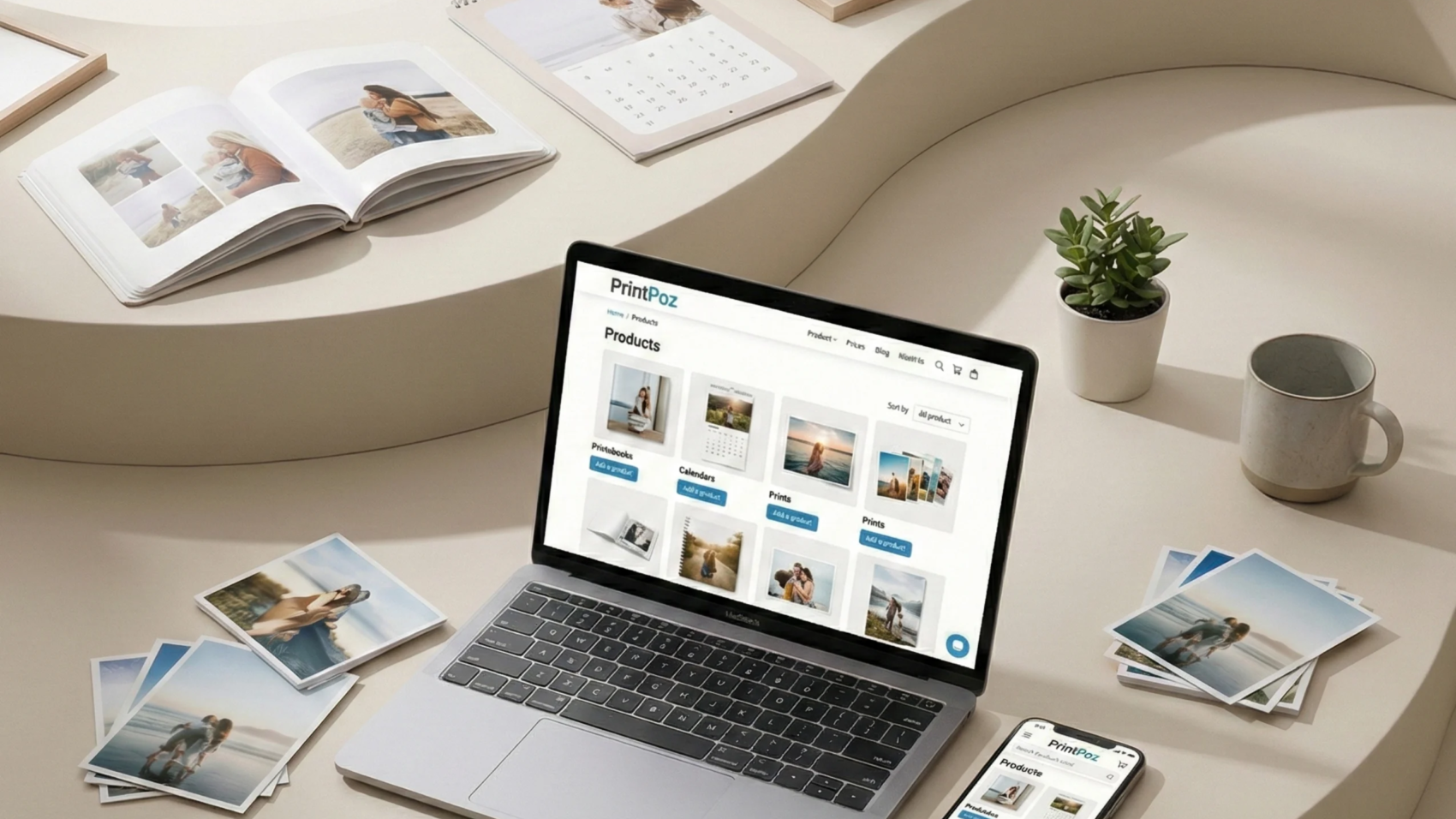
Platforms like PrintPoz help print shops go online by offering a complete web-to-print system that simplifies ordering, personalisation, automation, and customer management.

This shift clearly explains why print shops need to go online to meet modern customer expectations and remain competitive.


why print shops need to go online

1. 24/7 Orders – Let Customers Order Anytime, Anywhere

When your print business goes online, your store is always open.

Customers can browse products, upload designs, personalize templates, and place orders anytime – even after business hours.

This 24/7 accessibility not only boosts sales but also creates a better experience for busy customers who prefer flexibility.

2. Advanced Design Editor – Empower Customers to Personalize Easily

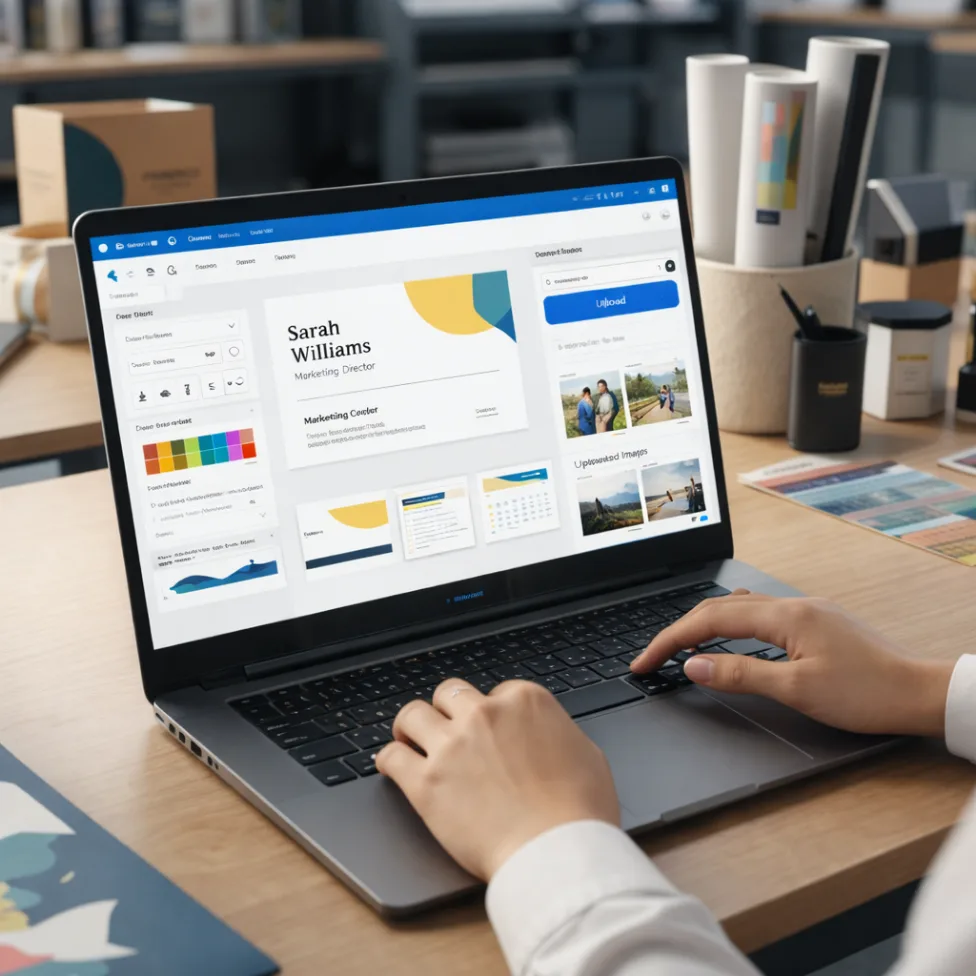
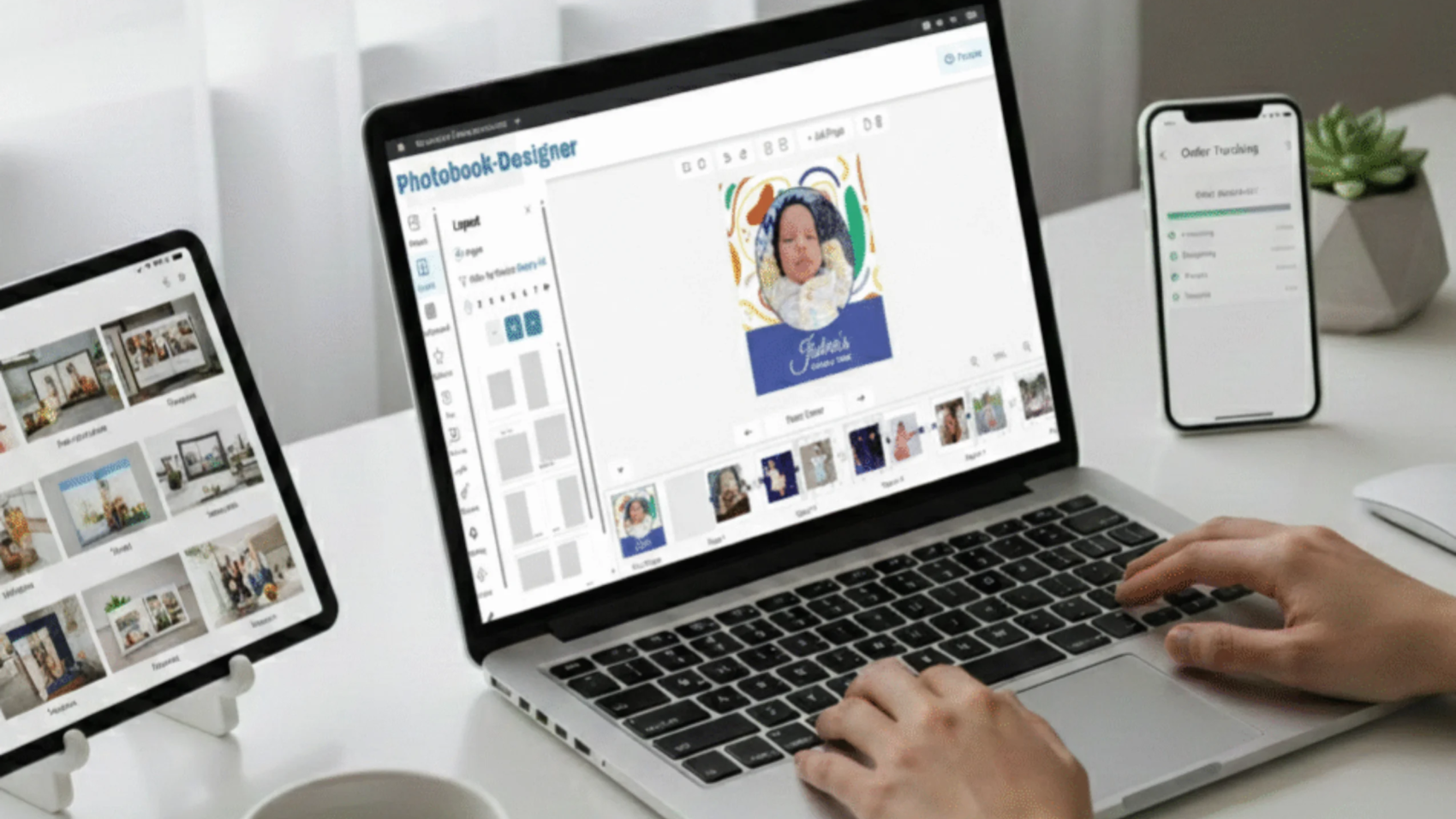
Modern web-to-print platforms include advanced online editors that allow users to create or customize their designs directly on your website.

Instead of waiting for back-and-forth design approvals, customers can:

  • Adjust layouts
  • Add logos and images
  • Change text or colors instantly

It’s faster, simpler, and more engaging – reducing your design workload while giving customers complete creative freedom.

3. Expand Brand Reach Beyond Your Local Market

One of the strongest reasons why print shops need to go online is to expand their reach far beyond their local markets.

An online store removes geographical limits.

You can serve customers from across the country – or even globally – without opening multiple physical outlets.

Through SEO, online ads, and social media, your print business becomes visible to a much larger audience, helping you attract new clients and build stronger brand recognition.

4. Automation – Save Time and Reduce Chaos

Automation is the biggest advantage of going digital.

A web-to-print system automates:

  • Order management
  • Payment collection
  • Design proofing
  • Notifications

This streamlined workflow minimizes manual errors, saves hours of communication, and allows you to focus more on production and business growth.

5. Faster Growth and Smarter Operations

Online print shops grow faster because they combine automation, customer convenience, and digital marketing.

You can track analytics, reorder patterns, and customer behavior to make data-driven decisions that strengthen your marketing and sales strategy.

To sum it up, print shops need to go online not just for convenience, but to build sustainable, data-driven growth in a digital-first industry.

It’s not just about selling prints – it’s about running a smart, scalable print business.

6 Improved Customer Experience Builds Long-Term Loyalty

Going online doesn’t just make operations easier – it directly improves how customers experience your print business. When customers can browse products easily, personalize designs without delays, and track orders in real time, they feel more confident and in control.

An online print store removes uncertainty from the buying process. Customers no longer need to call or message for updates, approvals, or confirmations. Everything they need is available instantly through a clear digital workflow.

This convenience builds trust over time. When customers know your ordering process is smooth and reliable, they are more likely to return for future orders and recommend your services to others. Strong customer experience is one of the biggest reasons why print shops need to go online in today’s competitive market.


Conclusion: Why Print Shops Need to Go Online for the Future of Printing

The print industry is shifting – and print shops that embrace digital transformation are leading the way.

By taking your print business online, you create a platform that works for you round the clock, expands your market reach, and delivers a seamless customer experience.

If you want to stay relevant, grow consistently, and reduce manual chaos – the time to go online is now.

This is exactly why print shops need to go online to build sustainable growth in a digital-first print industry. This shift clearly explains why print shops need to go online to remain efficient, competitive, and future-ready.

Why-Customizable-Templates-for-Print-Shops-Increase-Repeat-Orders

5 Reasons Why Customizable Templates for Print Shops Increase Repeat Orders

In the competitive world of printing, customizable templates for print shops have become one of the biggest growth drivers. While attracting a new customer is valuable, keeping them coming back again and again is where real business success happens. Offering customizable templates makes designing faster, more consistent, and more convenient – and when reordering becomes effortless, customers return to the same print shop instead of searching elsewhere.

This is why customizable templates for print shops play a critical role in improving customer retention and repeat order behavior.

Platforms like PrintPoz help print shops offer customizable templates through a web-to-print system that simplifies design, reordering, and repeat customer engagement.

This approach shows how customizable templates for print shops simplify repeat ordering while strengthening long-term customer loyalty.
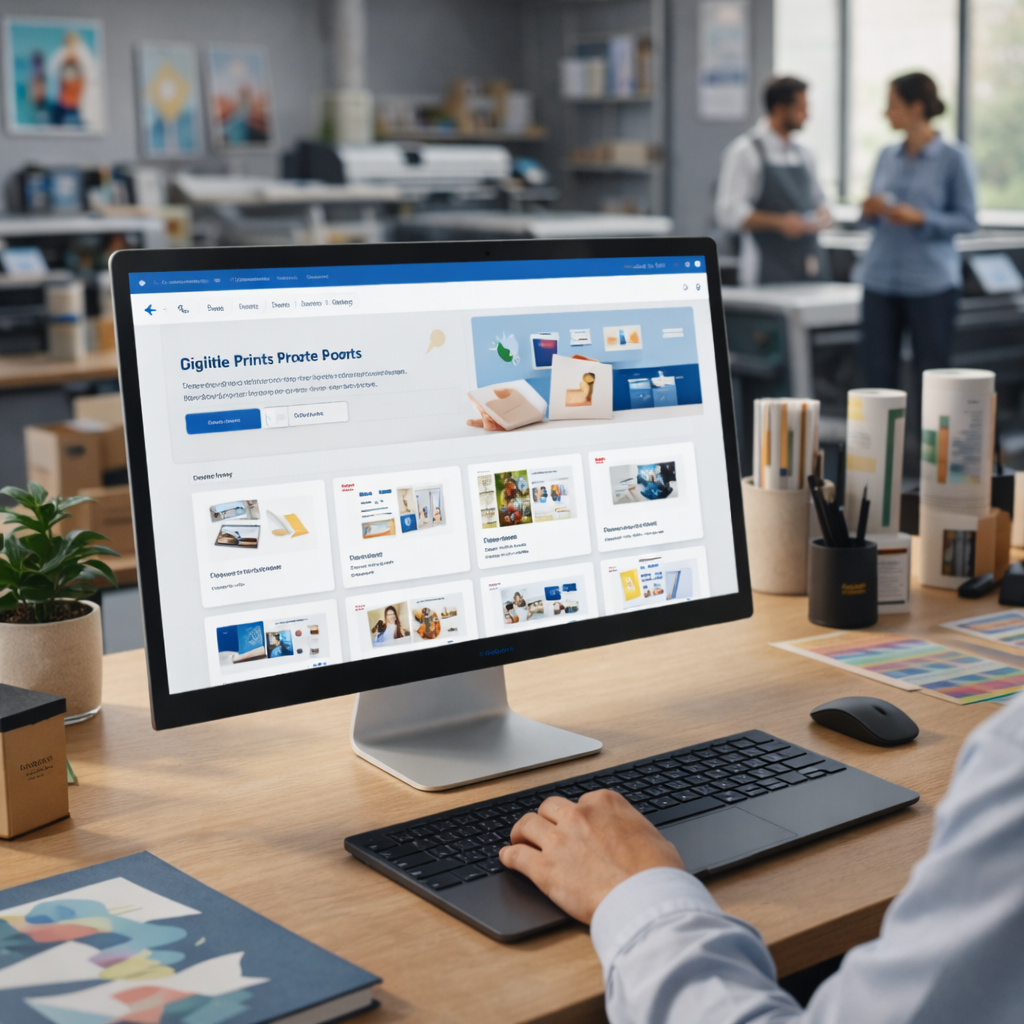
Here’s how customizable templates help boost repeat business for print shops.

customizable templates for print shops

1. How Customizable Templates for Print Shops Make Reordering Quick and Effortless

Customers reorder when the process is easy – and customizable templates eliminate the need to redesign from scratch every time.

With templates, customers can:

  • Reuse their previous design
  • Make small updates like date, name, or event
  • Approve and reorder within minutes

The faster the reorder, the higher the chances they’ll stay loyal to your print shop. When you save customers’ time, they reward you with repeat purchases.

2. Brand Consistency Encourages Long-Term Use

Businesses, event organizers, creators, and professionals want their print materials to look consistent across all orders. Customizable templates allow them to maintain:

  • The same brand colors
  • The same fonts
  • The same layout and theme

This consistency builds a long-term connection to the design – and the print shop that provides it.

Once customers have a template they love, they stick with it for future orders, whether it’s business cards, marketing materials, stationery, packaging, or event prints.

By offering customizable templates for print shops, you allow customers to stay loyal to a design they love while trusting your brand for every reorder.

3. Faster Ordering Experience Keeps Customers Loyal

One of the biggest reasons customers switch print providers is time consumption.

If every order requires back-and-forth communication, file creation, or full redesigning, customers will seek a faster solution.

Customizable templates streamline the process:

  • Choose a template
  • Edit
  • Preview
  • Order

A quick and smooth journey creates customer satisfaction – and satisfaction leads to repeat orders.

4. Customers Feel More in Control of Their Designs

When customers can edit and personalize their own templates, they feel ownership and pride in their designs.

This emotional connection is powerful because:

  • People trust what they create
  • They remember the experience
  • They return to repeat that experience

When customers feel empowered and confident designing with templates, they are far more likely to reorder without hesitation.

5. Templates Reduce Design Costs for Customers

Repeating a design with small edits saves customers money because they don’t need to hire a designer or pay for design support again.

It becomes financially easier for them to reorder frequently.

Customers appreciate savings – and they stick with businesses that help them save.

6. Builds Habitual Ordering Behavior

The easier the process, the more habitual it becomes.

When customers get used to:

  • Templates
  • Easy edits
  • Quick reorders

They form a habit of ordering from the same print shop every time.

This turns one-time buyers into long-term repeat buyers – the backbone of a profitable print business.


Beyond convenience, customizable templates for print shops build long-term customer relationships. When customers realize they can easily manage, tweak, and reuse their designs, they view your shop as a dependable partner, not just a vendor. This emotional connection drives consistent repeat orders and strong referrals.

Platforms such as Quick Calendar Album show how reusable print designs and template-based ordering help customers return for repeat purchases with ease.

For growing businesses, customizable templates for print shops also support scalability by reducing design workload and speeding up repeat orders.

By standardising designs and workflows, customizable templates for print shops help businesses grow efficiently without increasing operational complexity.


Conclusion: Why Templates Are Key To Repeat Print Order

Customizable templates for print products are one of the most powerful tools to drive repeat orders for print shops. They make designing fast, keep branding consistent, save money, and offer a convenient reordering experience that customers love.

When customers can edit, reuse, and reorder designs effortlessly, they naturally return to the same print provider – not once, but again and again.

If you want to increase customer loyalty, boost repeat sales, and stand out in the print market, offering customizable templates is no longer optional – it’s essential.

Ultimately, customizable templates for print shops are the foundation for sustainable growth and customer loyalty.

Quick-Tips-to-Grow-Your-Print-Business-Online-PrintPoz

5 Effective Ways to Grow Your Print Business Online

If you’re looking to grow your print business online, now is the perfect time to do it. The printing industry is rapidly shifting towards online purchasing, and customers expect faster ordering, transparent pricing, and a convenient digital experience.

Platforms such as Smart Selection highlight how digital-first strategies and user-focused online experiences help businesses attract and retain customers more effectively.

Going online is no longer optional – it’s essential for modern print shops that want to expand beyond local markets. Platforms like PrintPoz help print businesses go online by providing a complete web-to-print solution for online stores, order management, and customer experience.

Here are some effective tips to help your print business build a strong digital presence and attract more customers online.


grow your print business online

1. Build a Branded Online Store

In the digital era, your website acts as the front desk of your print shop. A branded online store allows customers to explore your products at their convenience, compare options, check pricing, and place orders without needing to visit your shop physically. A strong online presence instantly increases your business credibility and helps you compete in a digital-first market. This is the most effective way to grow your print business online and build visibility beyond your local city or region.

A well-structured site with clear navigation, product categories, and a mobile-friendly design enhances user experience and encourages customers to trust your brand. Make it easy for visitors to understand what you offer and how they can order.

Best Practices:

  • Create a professional online store with your brand identity
  • Clearly display product details, pricing, sizes, and finishing options
  • Enable customers to customize and order print products online

2. Maintain Design Consistency

Design consistency is a key branding element that influences how customers perceive your business. When your design style stays uniform across your products, website, packaging, and social media, it strengthens brand recall and builds customer trust.

Consistent design also saves time – both for you and repeat customers. When customers know your design standards and template style, they can easily place repeat orders for events, promotions, or gifting without starting from scratch.

How to Stay Consistent:

  • Use branded templates for your print products
  • Maintain consistent fonts, colours, and layouts across designs
  • Offer reusable design themes for repeat customers

This helps your products look professional and encourages customers to purchase again for events, business use, or gifting.

3. Offer Easy & Secure Online Payments

A smooth checkout experience is crucial for conversions. Even if customers love your products, they may abandon their cart if payment options are limited or the process seems complicated. Providing multiple secure payment options increases customer confidence and reduces drop-offs.

Offering a fast and seamless payment experience gives your business a professional and trustworthy reputation. Make sure your checkout process is simple, transparent, and optimized for both desktop and mobile users.

What Helps Improve Conversions:

  • Offer multiple payment options such as UPI, Cards, Net Banking, and Wallets
  • Provide a quick, simple checkout process
  • Send instant payment confirmations and invoices

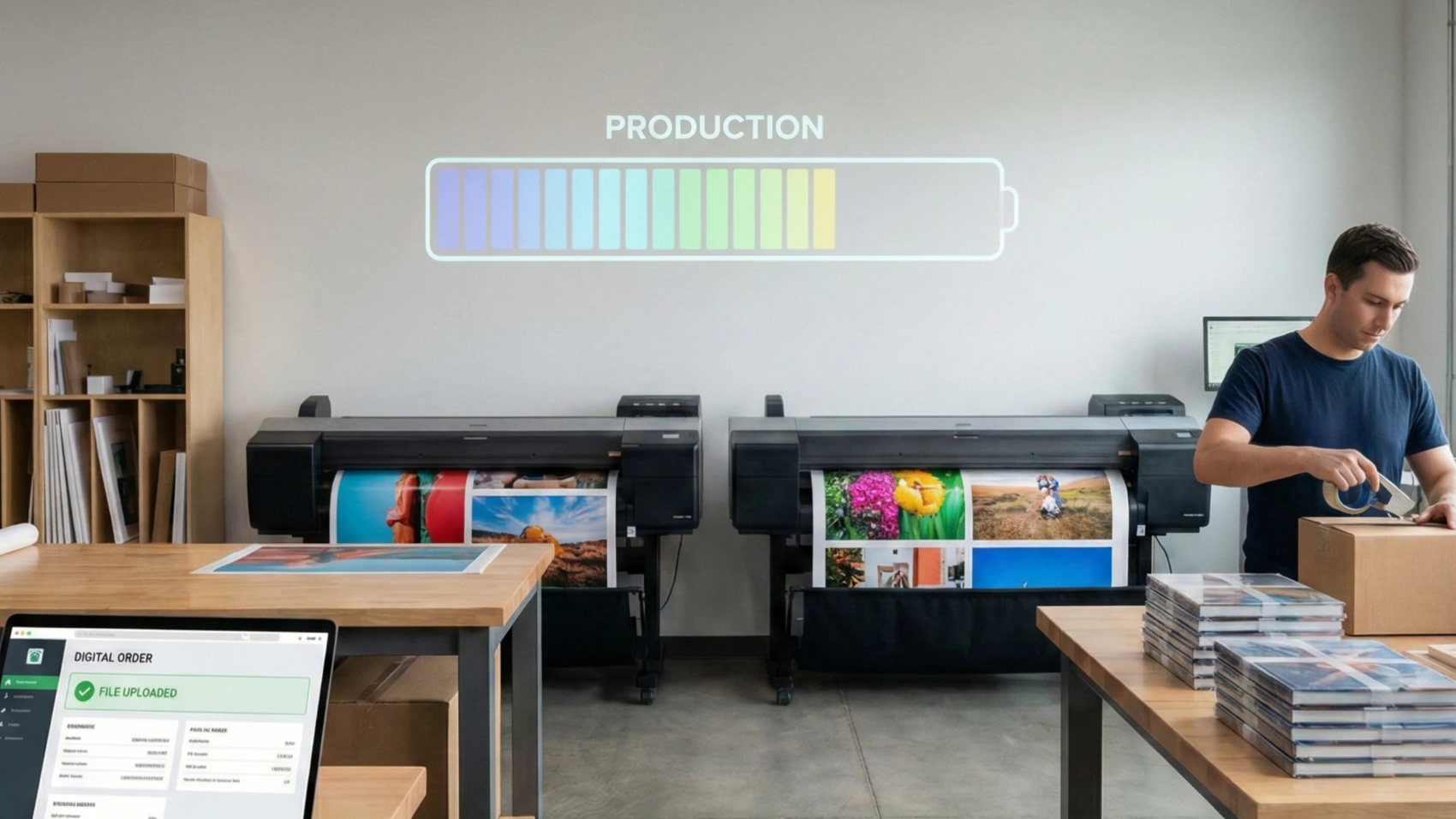
4. Simplify Order Management with a Digital Workflow

To truly grow your print business online, you need a streamlined workflow that reduces manual effort and improves accuracy. A digital workflow brings structure and transparency by centralizing the order process in one place. This helps you fulfil orders faster, avoid errors, and deliver a more reliable experience to customers.

A digital system also improves internal efficiency by helping you track the status of each order, manage workload, plan your production, and handle deadlines with ease. Ultimately, it saves time and allows your team to focus on delivery quality and growth.

Advantages of Digital Order Management:

  • View and manage orders from one dashboard
  • Track jobs through each stage – from order to dispatch
  • Reduce mistakes with a clear step-by-step workflow

This not only saves time but also improves accuracy and customer satisfaction.

A structured digital workflow is essential if you want to grow your print business online while reducing errors and improving fulfilment speed.

For print businesses aiming to grow your print business online in a competitive market, combining digital storefronts with efficient workflows is essential. When customers can place orders easily and businesses can manage fulfilment smoothly, it creates a scalable foundation for long-term online growth.

5. Focus on Customer Experience

In the print business, customer experience directly impacts repeat orders, referrals, and long-term growth. Since most print products are purchased for personal events, celebrations, gifting, or business branding, customers expect a smooth experience from the moment they visit your store to the final delivery.

Providing friendly communication, proactive updates, and easy support helps customers feel valued. Adding personalized touches – such as thank-you messages or care tips – can boost brand loyalty and result in long-term customer relationships.

When you deliver excellent customer experience, it becomes easier to grow your print business online through repeat buyers and referrals.

Key Ways to Improve Customer Experience:

  • Be transparent with pricing, delivery timelines, and policies
  • Update customers on order progress
  • Provide support through multiple channels such as WhatsApp, Email, and Phone

A positive experience encourages customers to reorder for festivals, events, corporate needs, and gifting.


Conclusion: Take Your Print Business Online for Sustainable Growth

To successfully grow your print business online, you need more than just great print products – you need a strategic approach to branding, customer experience, and digital operations.

To grow your print business online successfully, it is important to combine a strong digital storefront with consistent branding, smooth order management, and a customer-friendly buying experience that builds long-term trust.

A well-executed digital journey sets your print business up for long-term success in a rapidly evolving online-first era.

AI-Powered-Design-Tools-Revolutionizing-Custom-Product-Creation-for-Web-to-Print-Businesses

Powerful AI-Powered Design Tools Transforming Web-to-Print Businesses in 2025

The custom print and web-to-print industry is evolving at breakneck speed – and artificial intelligence is at the heart of this transformation. From faster design turnarounds to intelligent personalization and effortless workflows, AI-powered design tools are redefining what’s possible for print business owners, e-commerce operators, and customers alike. In 2025, leveraging these technologies isn’t a luxury – it’s a competitive necessity for web-to-print businesses aiming for growth, innovation, and customer loyalty.

In 2025, an AI-powered design tools is becoming essential for web-to-print businesses that want faster production, smarter personalization, and a more competitive online presence.

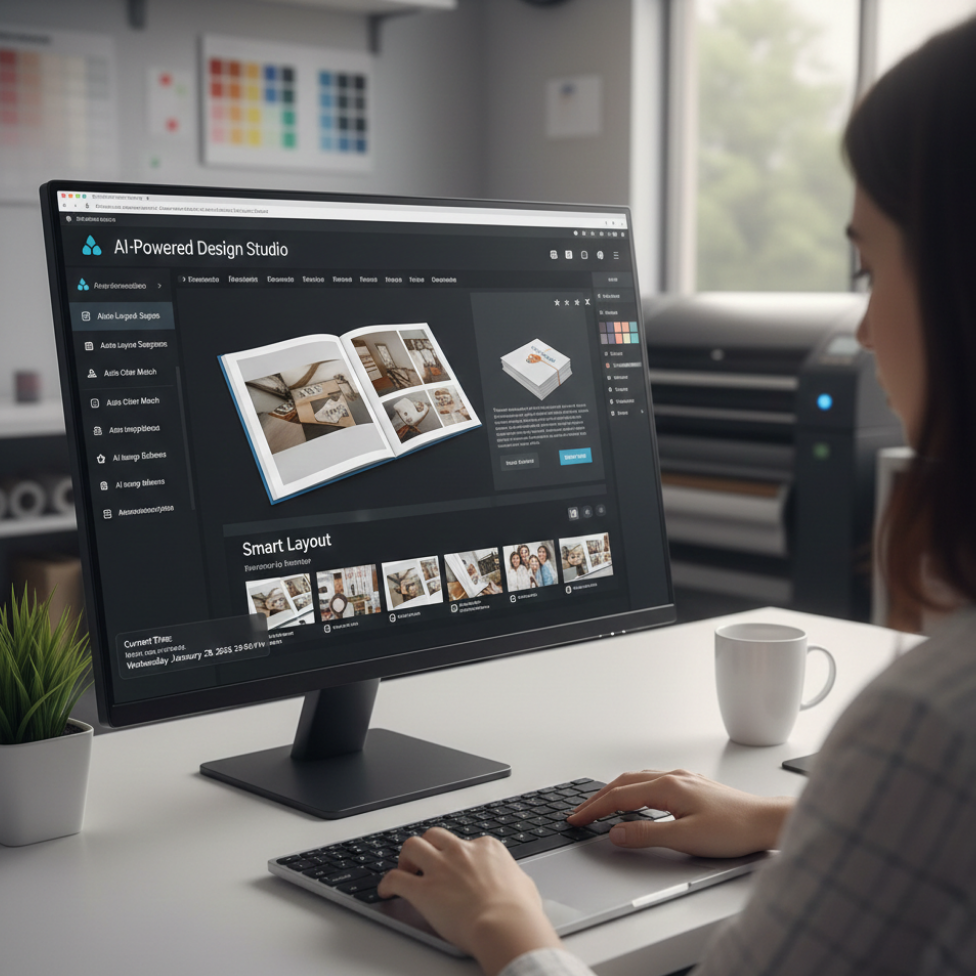
AI-powered design tools for web-to-print businesses

The Rise of AI in Web-to-Print Design

AI in web-to-print isn’t just about automating old processes; it’s about unlocking entirely new capabilities. The global AI market in printing is forecast to reach $2.2 billion by 2027, propelled by demand for personalization, real-time design previews, and data-driven automation. Whether you run a print shop, manage an e-commerce brand, or operate a B2B web-to-print service, AI-powered design tools can help you deliver faster, smarter, and more engaging experiences.

Industry platforms such as Smart Selection demonstrate how AI-driven design experiences and intelligent automation are helping digital businesses improve customer engagement and conversion rates.

What Are AI-Powered Design Tools?

AI-powered design tools combine machine learning and automation to simplify complex design tasks while giving customers real-time control over customization.

AI-powered design tools use advanced algorithms, machine learning, and neural networks to:

  • Generate unique product designs based on user preferences
  • Analyze customer data for tailored recommendations
  • Automate repetitive layout, color, or sizing tasks
  • Instantly check and correct file errors
  • Provide live 3D previews and mockups
  • Enable voice- or prompt-based design interactions

Tools like PrintPoz’s intuitive design suite make it easier than ever for customers to create exactly what they envision, with real-time suggestions and AI-based optimizations embedded at each step.

Key Benefits for Web-to-Print Businesses

By adopting an AI-powered design tools, web-to-print businesses can reduce manual effort, improve design accuracy, and handle higher order volumes without increasing operational costs.By adopting AI-powered design tools, web-to-print businesses can reduce manual effort, improve design accuracy, and handle higher order volumes without increasing operational costs.

Faster Turnaround, Greater Volume

By automating design processes, AI helps you dramatically reduce turnaround times – sometimes by as much as 70%. Whether customers need single photo gifts or high-volume marketing collateral, AI-powered systems handle thousands of orders daily, freeing your team to focus on growth and support.

Personalized Experience Drives Loyalty

AI analyzes order history, demographic data, and user inputs to suggest relevant products, color palettes, and layouts. This hyper-personalized approach improves satisfaction, increases cart values, and turns occasional shoppers into loyal brand advocates.

Error Reduction = Cost Savings

AI automatically checks for common issues – low-res images, wrong color profiles, off-center designs – before jobs are sent to production. This minimizes costly reprints, improves quality, and ensures consistent output for every order.

Industry Examples Leading the Way

  • Smart Creation Photobook Tool (Printbox): Offers AI-driven photo sorting, layout, and suggestions that reduce design time and increase completed orders.
  • “Masterpiece AI” for Personalized Prints: Enables customers to create unique art pieces using generative AI, opening new revenue streams and creative possibilities.
  • OnPrintShop AI-powered Automation: Handles order routing, artwork pre-flight, and customer communication, showing up to 50% efficiency improvement for print shops.

Practical Ways to Implement AI Design Tools

  1. Integrate AI with Your Web-to-Print Platform
    Choose solutions like PrintPoz that offer built-in or API-connected AI-powered design capabilities, including smart design suggestions, auto-color adjustment, real-time previews, and automated proofing for web-to-print businesses.
  2. Leverage AI for Personalization at Scale
    Use machine learning-based systems to tailor product recommendations, design templates, and marketing campaigns for each customer segment.
  3. Empower Customers with AI-Driven Tools
    Deploy interactive features such as:
    • Real-time previews (including 3D mockups)
    • Auto-layout and smart resizing
    • AI-powered artwork enhancement (e.g., upscaling, background removal)
    • Template generators for frequent use-cases (business cards, t-shirts, photo albums)
  4. Automate Quality Assurance
    Implement AI checks to verify image quality, font legibility, safe zones, and color accuracy before production.
  5. Offer Prompt-Based Design and Chatbots
    Let customers create products with simple prompts (“Make a retro wedding invitation in pastel colors”) and provide support with AI-powered chatbots available 24/7.

Actionable Checklist for Adoption

  • Assess your design process: Identify bottlenecks AI can address (e.g., art setup, template creation)
  • Choose an AI-ready platform: Prioritize web-to-print software with robust AI integration, such as PrintPoz’s comprehensive suite.
  • Train your team: Ensure designers and CSRs understand the capabilities and benefits of AI features.
  • Promote to customers: Highlight AI-powered personalization and speed in your marketing materials to attract tech-savvy, convenience-focused buyers.s

Future Trends – What’s Next for AI in Web-to-Print?

  • Real-Time Collaboration: AI co-design tools where customers and designers work together, adjusting layouts and options instantly online
  • Augmented Reality Previews: AI bridges 3D mockups and AR, so customers can visualize a custom mug, shirt, or banner in their home or event space before ordering
  • Sustainability Integration: AI optimizes design layouts for minimum material usage and eco-friendly printing, aligning with green printing trends

Internal Links to Grow Your Printing Business


Conclusion: Get Ahead with AI – Now

AI-powered design tools isn’t the future – it’s the NOW of web-to-print. If you want to experience higher conversion rates, faster delivery, lower operational costs, and delighted customers who keep coming back, it’s time to embrace AI in your print business. The tools are here, ready to deliver a smarter, more personalized, and more profitable workflow for companies willing to lead.

Ready to elevate your online print shop and keep pace with modern customer expectations? Start with PrintPoz’s AI-powered design tools suite to unlock the true potential of automation and creativity for your web-to-print business.

Modern web-to-print platforms such as PrintPoz are making AI-powered design tools accessible for print businesses looking to scale faster and deliver better customer experiences.

Advanced-Pricing-Strategies-for-Custom-Print-Products-Maximizing-Profitability

Best 7 Custom Print Product Pricing Strategies That Work in 2025

Pricing is one of the trickiest challenges for web-to-print businesses. Set prices too high and you risk losing sales; too low and your profit margins vanish – especially when offering personalized, multi-variate print-on-demand or custom products. As customer expectations, production costs, and market competition rise in 2025, developing advanced and flexible pricing strategies is crucial for print shop owners, ecommerce managers, and web-to-print entrepreneurs seeking healthy growth.

In 2025, custom print product pricing strategies play a critical role in helping web-to-print businesses balance profitability with customer expectations. For web-to-print businesses in 2025, custom print product pricing strategies are no longer optional. Strong custom print product pricing strategies help print shops manage rising costs, support personalization, and maintain healthy profit margins in a highly competitive market.

By applying the right custom print product pricing strategies, print businesses can manage variable costs, offer transparent pricing, and stay competitive in a fast-changing market.


Why Custom Product Pricing Is So Complex

Industry platforms like Smart Selection demonstrate how modern print businesses are adopting flexible pricing structures to manage customization, volume-based discounts, and changing production costs. By aligning pricing models with personalization demand, print businesses can maintain profitability while offering transparent and competitive pricing to customers.

Custom print products (from mugs and photobooks to apparel and signage) introduce variable costs and unpredictable order specs:

  • Multiple options for material, size, finish, ink, and personalization
  • Small-quantity or one-off orders driven by personalization
  • Volatile costs (paper, pigment, labor, energy, shipping)
  • Bundles, volume discounts, and cross-product offers

This complexity is the reason why custom print product pricing strategies are essential for modern web-to-print businesses. Without clearly defined custom print product pricing strategies, print shops struggle to control margins, respond to fluctuating costs, and scale profitably as customization demand increases.

Traditional “set it and forget it” pricing doesn’t work. Instead, print businesses must combine real-time cost calculation, dynamic pricing models, and effective use of automation.


Modern Pricing Models for Web-to-Print

custom print product pricing strategies for web-to-print businesses

1. Cost-Plus Pricing

Calculate total costs (materials, labor, overhead, shipping) and add a target profit margin. This is common in traditional print, but with complex custom jobs, automation is key to accurately calculating costs per unique order.

2. Value-Based Pricing

Set prices based on the perceived value to your customer. For example, a personalized wedding album or branded business kit often commands a higher markup than a simple reprint. Use market research, competitor benchmarking, and customer feedback to calibrate value-based models.

3. Tiered and Volume Pricing

Offer discounts for bulk orders, different finish levels, or service speed (i.e., standard vs. express print). This entices higher cart values without making single-item orders unprofitable.

4. Dynamic Pricing Engines

Automated pricing tools adjust costs in real time based on demand, raw material prices, or order urgency. Modern web-to-print platforms like PrintPoz enable businesses to implement dynamic pricing engines, automate cost calculations, and adjust prices in real time based on customization, volume, and production costs.

5. Subscription and Package Pricing

Offer “print bundles” – such as monthly marketing collateral packages or yearly photo calendars—to lock in recurring revenue and give customers a deal for long-term loyalty.


Practical Pricing Tips & Cost Control

  • Use automated job calculators in your web-to-print system to factor in every order’s unique attributes (size, color, materials, setup).
  • Regularly audit supplier costs and update your pricing database accordingly.
  • Add “add-on” pricing for premium services: rush production, design review, luxury finishes, or sustainable materials.
  • Highlight value in your product descriptions (“Printed with eco-friendly inks on archival paper,” etc.) to justify premium pricing.
  • Test and optimize: Run periodic promotions or A/B test bundle offers to see how pricing impacts conversions.

Real-World Examples

  • Bulk Discount Model: A B2B print supplier uses PrintPoz to apply 10%–20% discounts automatically on corporate orders above a threshold, increasing cart size without sacrificing margin.
  • Personalization Fee: An online photo gifts shop adds a small, automated “customization charge” for unique designs, offsetting the labor cost while keeping base products affordable.
  • Dynamic Price Updates: A signage business uses live paper and ink pricing data integrations to keep quotes profitable even when supply costs fluctuate.
  • Automated Pricing for Personalized Products: Personalized photo product platforms such as Quick Calendar Album show how automated pricing and customization charges help businesses balance affordability with profitability for highly personalized print products

How PrintPoz Streamlines Pricing

PrintPoz’s platform features built-in pricing engines that let you:

  • Set prices by product, customization, material, and order volume
  • Instantly update pricing rules across SKUs
  • Display transparent, live pricing to customers while they design
  • Offer promo codes, bundles, and recurring packages with ease

This not only simplifies setup but improves customer trust and conversion – since costs are always accurate and competitive.


Quick Implementation Checklist

  • Audit all cost inputs (raw materials, shipping, labor, software fees)
  • Set up dynamic or rule-based pricing in your web-to-print software
  • Build out volume discounts, bundles, and add-on pricing for premium options
  • Monitor performance data to spot margin erosion or profit spikes
  • Make pricing review a quarterly habit as markets shift

Conclusion: Turn Pricing Into a Competitive Edge

Don’t view pricing as a one-off task; it’s a lever you can constantly fine-tune to balance competitiveness and profitability. With robust web-to-print tools and the right strategy, you can automate complex pricing, please customers, and drive your business’s bottom line – no matter how custom your offerings.

By refining custom print product pricing strategies over time, print businesses gain better control over margins, improve pricing transparency, and respond confidently to changing customer demands and production costs.

Discover PrintPoz’s advanced pricing automation and see how you can maximize profit and flexibility across your entire product catalog.

The-Psychology-of-Print-Personalization-How-Custom-Products-Drive-Customer-Loyalty

7 Powerful Psychology Principles Behind Print Personalization That Drive Customer Loyalty

Print personalization psychology explains why customized print products turn casual buyers into loyal customers. In today’s highly competitive web-to-print landscape, brands that understand the emotional and psychological triggers behind personalization are building deeper connections and gaining a powerful edge. For print shop owners, web-to-print business managers, and marketers, unlocking the science of personalization is key to boosting loyalty, advocacy, and sales.

Print personalization psychology explains why customers feel emotionally connected to custom print products and why personalized items consistently drive higher loyalty and repeat purchases in the web-to-print industry.


Print Personalization Psychology: Why Personalization Works on the Human Mind

print personalization psychology showing how custom print products create emotional connection and customer loyalty

From a behavioural standpoint, print personalization psychology focuses on how involvement in design decisions increases perceived value, emotional attachment, and long-term brand trust.

1. The IKEA Effect in Print Personalization Psychology

Research shows people value products they help create – what psychologists call the “IKEA Effect.” When customers personalize a mug, t-shirt, or photobook, their sense of ownership and emotional investment skyrockets. According to a 2025 survey, 65% of online buyers are more likely to repurchase personalized items and leave positive reviews.

Action:
Leverage PrintPoz’s design tools that empower customers to add names, photos, or custom art for a sense of co-creation.

2. Memories and Emotional Triggers

Printed memories – family photos, milestone events, pet images – are powerfully evocative. Personalization taps into nostalgia, pride, and joy, forging an emotional bridge between customer and brand. Photo books, calendars, and art prints are among the highest repeat purchase categories thanks to their sentimental value.

Platforms like Smart Selection demonstrate how personalization and user-driven customization help brands create stronger emotional connections and improve repeat purchase behaviour in digital commerce.


The Business Impact: Higher Loyalty, Bigger Carts

Personalized Products Drive Repeat Sales

A 2025 market study revealed that shoppers exposed to personalized merchandise are 2.5 times more likely to make another purchase within six months. Beyond initial sales, this increases lifetime value and reduces churn.

Word-of-Mouth and User-Generated Content

When people receive something “uniquely theirs,” they share it! Social posts, unboxing videos, and online testimonials serve as free marketing. Web-to-print businesses using customer galleries or design showcases see social referrals rise by over 30%.


Actionable Tips for Leveraging Personalization

1. Simplify the Experience

Don’t overwhelm customers with options. Offer easy-to-use editors, quick-start templates, and intelligent autofill for names, dates, and images – features all built into PrintPoz’s intuitive platform.

For print businesses looking to implement personalization at scale, platforms like PrintPoz provide built-in tools that simplify custom product creation, live previews, and repeat ordering within a single web-to-print workflow.

2. Use Smart Recommendations

AI-powered upselling (“other customers added a mug with this design”) and pre-designed inspiration can dramatically increase conversion rates – up to 15% higher average order values when bundled suggestions are used.

3. Highlight Stories, Not Specs

Promote customer stories and showcase user-created designs on your home page or Instagram. This taps into an aspirational mindset and makes buyers feel part of a community.

4. Prioritize Quality Assurance

Quality control is crucial for personalized prints. Use high-res previews, live proofing, and automated image checks to ensure every creation feels special (and free of production errors).


Real-World Example: Building Loyalty

Case Study:
A boutique online print shop using PrintPoz saw repeat customer rates climb from 21% to 34% after upgrading to a personalized product builder, launching “Design of the Week” contests, and featuring real buyer stories in email campaigns. Positive reviews and organic Instagram tags tripled within six months.


Personalization Checklist for Print Businesses

  • Enable easy customization for your most popular products (mugs, shirts, photo gifts, stationery)
  • Integrate user-friendly design tools with live mobile/desktop previews
  • Leverage AI and customer data to suggest meaningful product ideas
  • Collect and display user stories, testimonials, and user-generated content
  • Offer loyalty perks or discounts for return buyers of personalized products

PrintPoz Makes Personalization Easy

Our platform gives your customers and your team the tools to create, preview, and order custom products with confidence. From live previews to bundled promotional campaigns, everything is built for engagement and repeat business.

By applying print personalization psychology, print businesses can move beyond transactional sales and build deeper emotional relationships that translate into long-term customer loyalty.

Explore PrintPoz’s personalization features and start turning one-time buyers into lifelong brand advocates.

Mobile-First Web-to-Print-Optimizing-Design-Tools-for-Smartphone-and-Tablet-Users

Mobile-First Web-to-Print: Optimizing Design Tools for Smartphone and Tablet Users

Mobile-first web-to-print is rapidly becoming the standard as the way customers interact with print businesses has fundamentally shifted. Today, nearly 60% of web-to-print orders start on a mobile device. For web-to-print business owners and managers, embracing a mobile-first approach isn’t just a trend – it’s mission-critical for driving growth, improving customer experience, and staying ahead of the competition in 2025.

A mobile-first web-to-print strategy ensures customers can design, order, and track print products easily from their smartphones without friction. A mobile-first web-to-print strategy ensures customers can design, order, and track print products easily from their smartphones without friction.

In this article, we’ll explore why mobile-first matters, how to optimize your design tools for smartphone and tablet users, and actionable strategies that will help you corner the fast-growing mobile market.


Why Mobile-First Matters in Web-to-Print

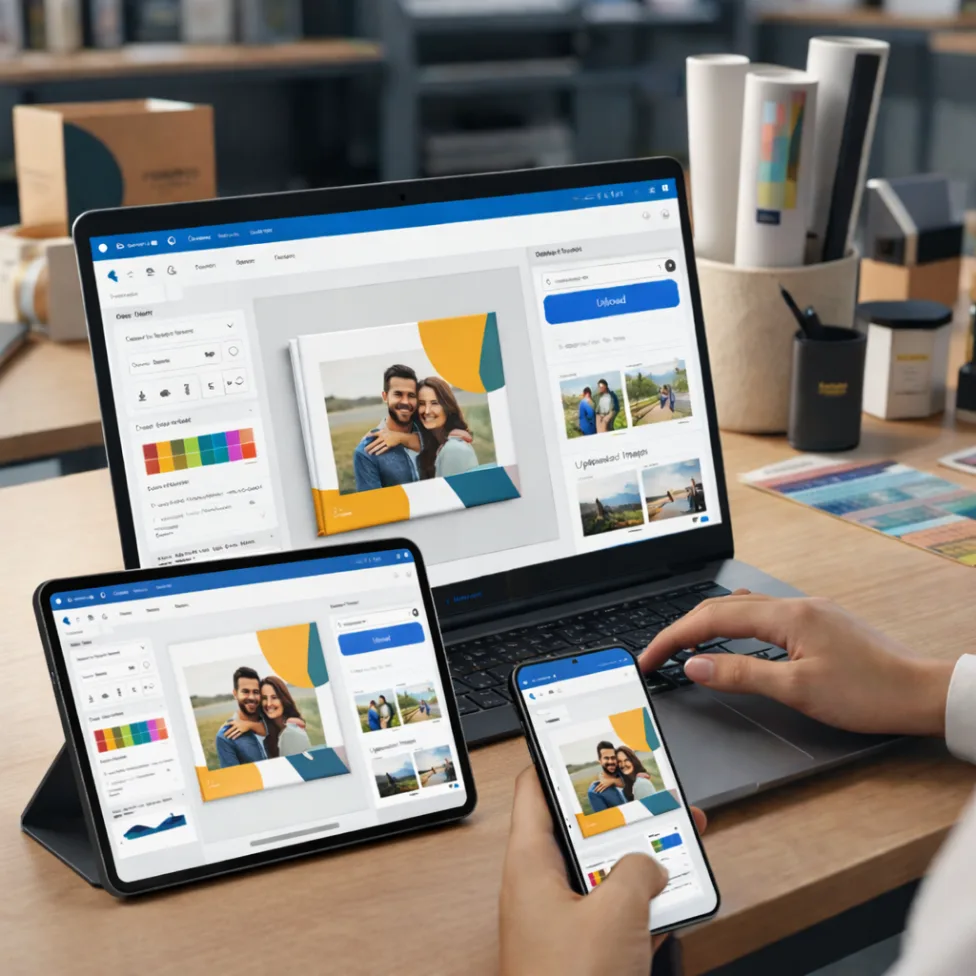
mobile-first web-to-print platform showing customers designing print products on a smartphone

A mobile-first web-to-print approach ensures print customers can browse, design, and place orders seamlessly on smartphones and tablets without friction.

1. The Numbers Don’t Lie

  • Over 70% of B2C print shoppers prefer browsing, designing, and ordering on mobile devices.
  • Print e-commerce conversion rates rise by up to 20% when the mobile experience is seamless and fast.
  • Google’s mobile-first indexing means top search visibility now favors businesses with mobile-optimized sites and tools.

2. Customer Behavior Has Changed

Modern print customers – whether ordering business cards, custom apparel, or photobooks – demand convenience. They want to:

  • Start a design on their phone in the café
  • Edit it on a tablet during their commute
  • Place and track orders from anywhere, anytime

Without a truly mobile-first experience, you risk losing these high-value, on-the-go buyers.


What Makes a Web-to-Print Tool Truly Mobile-First?

A mobile-first web-to-print platform prioritizes touch-friendly design tools, fast loading speeds, and seamless checkout experiences on mobile devices.

Responsive Design Is Just the Beginning

A mobile-first platform doesn’t just “shrink” your desktop site to fit small screens. It reimagines the entire workflow for touch navigation, quick loading, and thumb-friendly interactions.

Essential features:

  • Touch-optimized navigation: Buttons sized for fingers, swiping, not pinching
  • Fast, lightweight pages: Minimal load times even on slower mobile networks
  • Real-time previews: Instantly see design changes on screen
  • Mobile-friendly editors: Drag, drop, resize, and rotate elements with a fingertip
  • One-click actions: Easy image uploads, swatches, checkout, and proof approvals

Cloud Integration and Data Sync

Customers expect to start a design on one device, save progress, and finish elsewhere. Cloud-based sync ensures every update and design stays accessible from mobile, tablet, or desktop.


Industry Examples: Leaders in Mobile-First Web-to-Print

  • Printbox Mobile Editor: Offers touch-optimized design interface, instant photo uploads from phone galleries, and cross-device saving, resulting in a higher rate of completed orders.
  • Printful App: Enables users to create, preview, and manage print-on-demand orders from their smartphones, pushing global expansion and convenience.

Platforms such as Smart Selection demonstrate how mobile-first, user-focused digital experiences help businesses improve customer engagement, streamline ordering, and increase conversions across online platforms.


Practical Tips for a Winning Mobile-First Strategy

1. Test Thoroughly Across Devices

Simulate the full customer journey on multiple devices and browsers. Iron out pain points like slow rendering, misplaced buttons, or awkward text.

2. Simplify Your Design Tools

Keep interfaces uncluttered. Offer only the most-used features on mobile, tucking advanced options behind menus. For example, prioritize quick image uploads and color selection over advanced typography tools.

3. Speed Is Everything

  • Compress images and code for speedy loads
  • Use progressive loading for design elements
  • Minimize pop-ups and unnecessary animations

4. Enable Mobile Payments and Autofill

Integrate secure, mobile-friendly payment gateways and ensure your checkout supports autofill for fast, error-free purchases.

5. Promote With Mobile-First Marketing

Use SMS, mobile push, and social ads to attract and retain customers. Encourage app installs if available and offer mobile-exclusive deals.


Implementation Checklist

  • Audit your current site and design tools for mobile performance (use Google Mobile-Friendly Test)
  • Choose a web-to-print platform like PrintPoz with built-in mobile optimization.
  • Train your team to support customers with mobile queries or issues
  • Monitor mobile conversion rates and customer satisfaction; tweak UX regularly

The PrintPoz Advantage

PrintPoz’s e-commerce platform is engineered for mobile commerce. With mobile-first web-to-print capabilities, PrintPoz helps print businesses offer intuitive design tools, one-tap order management, and cloud-synced editing that empower customers to create and order from anywhere.

By adopting a mobile-first web-to-print strategy, print businesses can improve conversion rates, enhance customer satisfaction, and capture the growing audience that prefers ordering on mobile devices.

Explore PrintPoz’s mobile-optimized design experience, and transform casual browsers into loyal customers with every thumb tap.

Overcoming-Common-Web-to-Print-Implementation-Challenges-A-Strategic-Approach

6 Critical Web-to-Print Implementation Challenges and Strategic Solutions

Web-to-print implementation challenges often arise when print businesses transition from traditional workflows to fully digital ordering systems.

Web-to-print implementation challenges are a natural part of any digital transformation in the print industry. As print businesses move from manual workflows to online ordering systems, these web-to-print implementation challenges can impact integration, staff adoption, customization control, and overall ROI. Identifying web-to-print implementation challenges early helps businesses plan smarter rollouts and avoid costly disruptions.

Adopting a web-to-print platform unlocks enormous benefits – from workflow automation to increased order capacity and improved customer convenience. Yet, the journey from traditional printing to a fully integrated online solution isn’t without obstacles. For web-to-print business owners, print shop managers, or anyone considering a digital transformation, understanding and overcoming common hurdles is essential for success.

web-to-print implementation challenges in print business digital transformation

Web-to-Print Implementation Challenges Print Businesses Commonly Face

1. Integration with Existing Systems

Reality check: Legacy systems, such as MIS, accounting, CRM, or manual production schedules, don’t always “play nice” with new web-to-print solutions. Data silos and duplication risks can cause inefficiency and confusion if not managed early.

Example: A mid-sized print shop reported launching web-to-print but struggled with order synchronization because their production and invoicing tools weren’t connected, resulting in lost jobs and frustrated customers.

Actionable tips:

  • Choose web-to-print platforms (like PrintPoz) with proven APIs and flexible integration options.
  • Modern print businesses often rely on modular tools like Quickorders to centralize online orders and reduce dependency on manual data entry during web-to-print implementation.
  • Start with pilot integrations (i.e., orders and inventory) before pushing for complete system integration.
  • Schedule regular data audits during rollout.

2. Staff Training and Change Management

Reality check: Automation triggers worry about job security and resistance to change. Even the best software will fail if staff lack training or buy-in.

Example: A survey in 2025 found that 65% of print businesses cited staff resistance as a top reason for slow technology adoption.

Actionable tips:

  • Involve key staff early – ask for input on workflow changes and feature needs.
  • Provide hands-on training, tutorials, and ongoing support.
  • Show real benefits (reduced repetitive tasks, faster order processing) to boost enthusiasm.

3. Managing Customization Complexity

Reality check: Web-to-print unlocks limitless customization, which is great for customers, but can overwhelm production teams if not streamlined.

Example: Businesses offering too many product variations (+50 templates, unlimited SKUs) experienced bottlenecks in artwork approval and increased errors.

Automation-focused solutions such as PDF Imposer help streamline file preparation, automate imposition workflows, and minimize production errors caused by complex customization.

Actionable tips:

  • Start with a curated selection of the most popular customizable products.
  • Use automation for proofing, file pre-flight, and template management.
  • Leverage PrintPoz’s design tools for error checking and preset options to control customization scope.

4. Cost Overruns and Underestimated Resources

Reality check: Underestimating costs for system setup, integration, training, and ongoing support can threaten project ROI.

Example: A US print franchise underestimated its migration budget by 40% and delayed rollout by six months due to hidden costs in legacy data cleanup and third-party software connections.

Actionable tips:

  • Prepare a detailed implementation roadmap, including all anticipated costs and timelines.
  • Use phased rollouts to validate processes before scaling fully.
  • Budget for post-launch support.

5. Quality Control and Consistency

Reality check: Moving from manual to automated ordering introduces variability in data entry, artwork uploads, and proofing. If not managed, this can impact print quality.

Example: A European printer suffered a spike in reprints after web-to-print launch due to lax file standards and untested templates – cutting into margins.

Actionable tips:

  • Enforce standardized artwork upload specs and automated file checks (resolution, bleed, color).
  • For print businesses handling calendar and album products, platforms like Quick Calendar Album support standardized layouts and automated checks that improve print consistency and reduce costly reprints.
  • Use digital proofs and real-time review tools.
  • Establish routine QA audits, especially post-launch.

6. Customer Adoption and Usability

Reality check: Even the slickest platform can flop if customers find it confusing, slow, or unintuitive.

Tools focused on intelligent product selection, such as Smart Selection, can simplify user choices and improve customer adoption during web-to-print platform rollouts.

Example: Poor onboarding resources led to 30% higher cart abandonment for a major online print provider.

Actionable tips:

  • Choose a web-to-print supplier focused on user experience – PrintPoz offers live previews and help guides.
  • Provide quick-start videos and FAQs.
  • Gather feedback and iterate on your interface for continuous improvement.

Practical Strategies to Overcome Web-to-Print Adoption Issues

  1. Assessment & Planning
    • Map current workflows and pinpoint inefficiencies.
    • Set clear, measurable implementation goals.
    • Identify key team members for a cross-functional “adoption team.”
  2. Set Up & Integration (Pilot Phase)
    • Launch with core products and limited automation to test workflows.
    • Integrate web-to-print orders with inventory and production tracking.
    • Solicit team and customer feedback before full deployment.
  3. Full-Scale Rollout & Monitoring
    • Expand automation to cover artwork approval, proofing, shipping notifications, and CRM.
    • Monitor KPIs such as order turnaround, error rates, and customer satisfaction.
    • Adjust processes and automate more tasks as the team and customers adapt.
  4. Ongoing Optimization
    • Schedule training refreshers and advanced feature workshops.
    • Regularly update products, templates, and integrations based on analytics and feedback.
    • Use PrintPoz analytics to uncover further automation opportunities.

Key Takeaways and Success Checklist

  • Prioritize robust integration and start small – complexity grows over time, but doesn’t need to overwhelm day one.
  • Invest in training and bring your team into the journey.
  • Leverage automation, but maintain quality checks.
  • Simplify the customer experience for higher platform adoption.

Successfully overcoming web-to-print implementation challenges requires a balance of technology, people, and process optimization, ensuring long-term scalability and customer satisfaction.

PrintPoz’s order management, design automation, and workflow tracking help print businesses overcome the common hurdles of digital transformation. From template-driven customization to quality control and detailed analytics, PrintPoz simplifies every stage of overcoming web-to-print implementation challenges.


Primary keyword: web-to-print implementation challenges

Meta title: Web-to-Print Implementation Challenges & Solutions 2025

Meta description: Discover how to solve web-to-print implementation challenges with practical strategies and tools. Overcome integration, training, and ROI risks in 2025.

Building-Customer-Trust-in-Web-to-Print-From-Design-Preview-to-Final-Product

5 Proven Ways to Build Customer Trust in Web-to-Print From Design Preview to Final Product

Trust is the foundation of every successful web-to-print business. As online print shops and custom product sellers compete in a crowded digital marketplace, one thing sets the winners apart: the confidence they inspire in their customers. From the first design preview to the delivery of a flawless final product, every experience must reassure buyers that what they see is exactly what they’ll get.

Here’s how web-to-print business owners and managers can systematically build and maintain customer trust throughout the print journey in 2025.


Why Building Customer Trust in Web-to-Print Matters

build customer trust in web-to-print from design preview to final product

To build customer trust in web-to-print, print businesses must focus on transparency, accuracy, and consistent communication at every stage of the ordering journey. When customers feel confident in previews, approvals, and delivery expectations, they are far more likely to return and recommend your platform.

  • Unlike off-the-shelf products, custom prints are highly personal – mistakes mean disappointment, lost time, and ruined loyalty.
  • 82% of online shoppers say they won’t reorder after a bad custom product experience, even if the mistake gets fixed later.
  • Positive trust triggers (accurate previews, clear communication, secure payment, quality delivery) drive reviews, referrals, and long-term value.

Trust-Builders Every Great Print Business Needs

1. Accurate, Live Design Previews That Build Customer Trust in Web-to-Print

Show customers a high-fidelity, to-scale preview (2D or 3D) of their design – on the actual product, in correct colors, and perspectives. Let them rotate, zoom, or view side-by-side with real photos.

Order management tools such as Quickorders help ensure design data flows accurately from customer preview to production, reducing manual errors and increasing customer confidence.

Example: PrintPoz’s live designer not only renders accurate previews but flags low-quality images, out-of-bounds text, or sizing errors before checkout.

2. Transparent Proofing and Approval

Enable easy proof download, one-click digital approvals, and saved design histories. Notify customers at each step – file received, proof ready, approval needed, order in production.

Tip: Automated, timestamped communications show you’re organized and professional.

3. Clear Production and Shipping Updates

Send proactive status emails or SMS:

  • “Your custom mug is being printed.”
  • “Orders shipped – track here”
  • “Expect delivery by TOMORROW”

Research: Businesses with automated, transparent notifications see 27% fewer “where’s my order?” queries.

4. Consistency Between Screen and Product

Use color-calibrated screens, print profile management, and quality control workflows. Address common customer worries (“Will the colors match?”) with education or guarantee policies.

Offer side-by-side examples or video confirmations – showing digital design beside the finished piece.

5. Secure, Hassle-Free Payments

Trust isn’t just about the product. Secure payment gateways, easy refunds, and data privacy options reduce last-minute cart abandonment.


Handling Issues With Transparency

How you respond to mistakes plays a major role in how customers perceive your brand, and it directly impacts long-term trust in your web-to-print experience.

Mistakes happen – even in the best-run shops. Customers will trust you more if you:

  • Respond quickly and honestly (“We see the issue, here’s how we’ll fix it.”)
  • Offer proactive solutions (free reprint, refund, or discount)
  • Collect and share success stories or testimonials from customers whose problems were resolved to their satisfaction.

Trust-Boosting PrintPoz Features

  • Design-to-product preview: Live 3D and high-res 2D product mockups
  • Automated proofing and approval workflows: Instant feedback and order status flows
  • Order tracking: Always up-to-date, customer-facing dashboards
  • Quality assurance: Built-in image validation, color profile enforcement, and customer communication queue

Platforms like PrintPoz are designed to help print businesses build customer trust through accurate design previews, automated proofing, transparent order tracking, and built-in quality checks across the entire web-to-print workflow.

See PrintPoz’s workflow in action – designed from the ground up for transparency, predictability, and customer confidence.


Tips for Building (and Keeping) Customer Trust

  • Regularly review and update your onboarding, proofing, and communication workflow.s
  • Display “what you see is what you get” assurances, certificates (if any), and trusted payment badges.
  • Showcase unfiltered customer reviews and visual testimonials directly on the product page.s
  • Encourage feedback after every order – then act on it to keep improving.ng

Conclusion: Trust – Your Greatest Print Business Asset

Businesses that consistently earn customer trust across their web-to-print workflows create stronger relationships, higher lifetime value, and long-term competitive advantage.

No level of automation, product variety, or even price can match the business power of trust. As you scale your print shop or online platform, keep customer confidence at the heart of every step – from the first preview to the moment your product lands in their hands. Loyal, trusting customers are the ones who return and refer, fueling your long-term success.

The-Complete-Guide-to-Web-to-Print-Automation-Streamlining-Your-Print-Business-in-2025

The Smart Guide to Web-to-Print Automation for Print Businesses in 2025

In today’s competitive printing landscape, manual processes are no longer sustainable. With the global web-to-print market projected to reach $44.65 billion by 2032 and businesses demanding faster turnaround times, print automation has become essential for survival and growth. This comprehensive guide explores how web-to-print automation can transform your printing operations, reduce costs, and position your business for scalable success in 2025.

web-to-print automation for streamlining print business workflows

What is Web-to-Print Automation?

Web-to-print automation encompasses the integration of digital technologies that streamline your entire print production workflow – from initial order intake to final delivery. Unlike traditional printing operations that rely heavily on manual intervention, automated web-to-print systems enable touchless processing, intelligent job scheduling, and seamless integration between customer-facing platforms and production systems.

Modern web-to-print automation combines artificial intelligence, machine learning, and workflow management software to eliminate bottlenecks, reduce human error, and optimize resource allocation. This technology allows print businesses to process thousands of orders daily while maintaining consistent quality and meeting tight deadlines.

The Business Case for Print Automation in 2025

The statistics paint a compelling picture for automation adoption. According to recent industry research, 51% of employees spend at least two hours daily on repetitive tasks that could be automated. For print businesses, this translates into significant productivity gains and cost savings.

Proven ROI from Industry Leaders

Real-world case studies demonstrate the tangible benefits of web-to-print automation. Direct Response Imaging, a small commercial printer, achieved payback on their automation investment within just three months. Their automated system reduced manual order processing from tedious Excel-based workflows to streamlined, automated operations.

Similarly, DPI Inc. processes 3,000 to 4,000 orders daily through their automated system, something that would be impossible with manual processes. As their president noted, “There is no way we could handle this volume without automation. You could throw people at it, but you could never afford to do it that way.”

Citrus College achieved remarkable results with their web-to-print automation implementation, seeing a 50% improvement in job turnaround times and a 17% volume increase without adding staff. This demonstrates how automation enables businesses to scale efficiently without proportional increases in labor costs.

Key Components of Web-to-Print Automation

1. Automated Order Management

Modern web-to-print platforms eliminate manual order entry by enabling customers to submit jobs directly through online storefronts. PrintPoz’s intuitive design tools allow customers to customize products, upload files, and place orders 24/7, reducing the administrative burden on your staff while improving customer satisfaction.

Automated order management systems provide real-time tracking, automatic job routing, and intelligent prioritization based on deadlines and production capacity. This ensures optimal resource utilization and prevents bottlenecks that commonly plague manual operations.

2. Intelligent Pre-Press Automation

Pre-press operations – including pre-flighting, file preparation, and proofing – consume significant time and resources in traditional workflows. Automated pre-press systems can detect and correct common issues like low-resolution images, incorrect color profiles, and improper margins before production begins.

PrintPoz’s comprehensive printing solutions include automated pre-flight checks that identify potential issues early, reducing reprints and material waste. This quality control automation ensures consistent output while minimizing the need for manual intervention.

3. Production Scheduling and Resource Optimization

Automated production scheduling systems analyze incoming orders, available resources, and delivery deadlines to create optimal production sequences. This intelligent scheduling reduces idle time, maximizes equipment utilization, and ensures on-time delivery.

HP Site Flow, a leading workflow automation platform, demonstrates how automated scheduling can consolidate orders, optimize batches, and streamline production to maximize device efficiency. Similar capabilities integrated into PrintPoz’s e-commerce platform enable seamless workflow management from order to delivery.

4. Post-Press and Fulfillment Automation

The final stages of print production – cutting, binding, finishing, and shipping – can also benefit from automation. Barcode-driven finishing systems, automated packaging, and integrated shipping solutions reduce manual touchpoints and accelerate order fulfillment.

Measuring the ROI of Web-to-Print Automation

Calculating Your Automation Investment Return

To determine the financial impact of web-to-print automation, consider these key metrics:

Cost Reduction Factors:

  • Reduced labor costs through task automation
  • Minimized material waste through optimized production planning
  • Decreased error rates and elimination of costly reprints
  • Lower administrative overhead through streamlined processes

Revenue Enhancement Factors:

  • Increased order capacity without proportional staff increases
  • Faster turnaround times enabling premium pricing
  • 24/7 order acceptance through automated storefronts
  • Improved customer satisfaction leading to repeat business

Sample ROI Calculation

Consider a print business processing 1,000 jobs monthly with current manual costs of $12 per job. With automation reducing processing costs to $3 per job:

  • Monthly savings: (1,000 × $12) – (1,000 × $3) = $9,000
  • Annual savings: $108,000
  • If automation implementation costs $40,000, ROI = ($108,000 – $40,000) / $40,000 = 170%

This conservative calculation doesn’t include additional benefits like increased capacity, reduced error rates, or premium pricing opportunities.

Implementation Strategy: Your Web-to-Print Automation Roadmap

Phase 1: Assessment and Planning (Weeks 1-4)

Workflow Analysis Checklist:

  • Document current order processing times and costs
  • Identify manual bottlenecks and repetitive tasks
  • Analyze error rates and associated costs
  • Evaluate current capacity constraints
  • Assess integration requirements with existing systems

Goal Setting:

  • Define specific automation objectives (e.g., reduce processing time by 50%)
  • Establish ROI targets and timeline expectations
  • Identify key performance indicators for success measurement

Phase 2: Platform Selection and Setup (Weeks 5-8)

Choose a comprehensive web-to-print solution like PrintPoz that offers:

  • Intuitive design tools for customer self-service
  • Automated order processing and job routing
  • Integration capabilities with existing production systems
  • Scalable cloud-based architecture
  • Real-time analytics and reporting

Integration Considerations:

  • CRM system connectivity for customer management
  • Accounting software integration for automated billing
  • Production equipment compatibility
  • Shipping carrier integration for fulfillment automation

Phase 3: Pilot Implementation (Weeks 9-12)

Start with a subset of products or customer segments to minimize risk:

  • Configure basic product templates and pricing rules
  • Set up automated workflows for selected job types
  • Train initial staff on new processes
  • Monitor performance metrics and gather feedback

Phase 4: Full Rollout and Optimization (Weeks 13-16)

  • Expand automation to complete product catalog
  • Implement advanced features like AI-powered recommendations
  • Optimize workflows based on pilot phase learnings
  • Provide comprehensive staff training on all system capabilities

Advanced Automation Features for 2025

Artificial Intelligence Integration

The latest web-to-print platforms incorporate AI for enhanced automation capabilities:

  • Smart Design Recommendations: AI analyzes customer preferences to suggest relevant products and designs
  • Predictive Analytics: Machine learning algorithms forecast demand and optimize inventory
  • Automated Customer Service: AI chatbots handle routine inquiries 24/7
  • Quality Control: Computer vision systems detect defects and inconsistencies automatically

Mobile-First Automation

With mobile commerce growing rapidly, ensure your automation strategy includes mobile-optimized design tools and responsive customer interfaces. PrintPoz’s mobile-friendly platform enables customers to create and order custom products from any device, expanding your market reach.

Sustainability Through Automation

Environmental consciousness drives printing decisions, with 80% of consumers considering sustainability. Automation supports eco-friendly practices through:

  • Optimized material usage reducing waste
  • Digital proofing eliminating physical samples
  • Efficient routing minimizing transportation impact
  • Data-driven decisions supporting sustainable practices

Overcoming Common Implementation Challenges

Technical Integration Hurdles

Many businesses worry about integrating new automation systems with existing infrastructure. Choose platforms that offer robust APIs and proven integration capabilities. PrintPoz provides comprehensive technical support to ensure seamless integration with your current systems.

Staff Resistance and Training

Address automation concerns through transparent communication about benefits and comprehensive training programs. Emphasize how automation eliminates tedious tasks, allowing staff to focus on higher-value activities like customer relationship building and strategic planning.

Quality Control Concerns

Automated systems can actually improve quality consistency through standardized processes and real-time error detection. Implement gradual rollouts with thorough testing to build confidence in automated quality control systems.

Future-Proofing Your Print Business

Scalability Planning

Choose automation solutions that grow with your business. Cloud-based platforms like PrintPoz offer scalable infrastructure that handles increased order volumes without requiring additional hardware investments.

Data-Driven Decision Making

Leverage automation-generated data for strategic insights:

  • Order pattern analysis for inventory optimization
  • Customer behavior tracking for targeted marketing
  • Production efficiency metrics for continuous improvement
  • Profitability analysis by product category

Competitive Differentiation

Automation enables service offerings that manual operations cannot match:

  • Same-day turnaround for rush orders
  • 24/7 customer self-service capabilities
  • Personalized product recommendations
  • Real-time order tracking and updates

Conclusion: Embracing the Automated Future

Web-to-print automation is no longer a luxury – it’s a necessity for print businesses seeking sustainable growth in 2025. The combination of reduced costs, increased capacity, improved quality, and enhanced customer experience creates a compelling business case for automation investment.

Companies like PrintPoz are leading this transformation by providing comprehensive automation solutions that address the complete print workflow. From intuitive design tools and seamless e-commerce integration to automated production management and fulfillment, these platforms enable print businesses to compete effectively in today’s digital marketplace.

The question isn’t whether to automate – it’s how quickly you can implement these technologies to capture their benefits. Start your automation journey today by assessing your current workflows, identifying optimization opportunities, and selecting a platform that supports your growth objectives.

Ready to transform your print business with automation? Explore PrintPoz’s comprehensive web-to-print solutions and discover how automation can streamline your operations, reduce costs, and accelerate growth in 2025.